
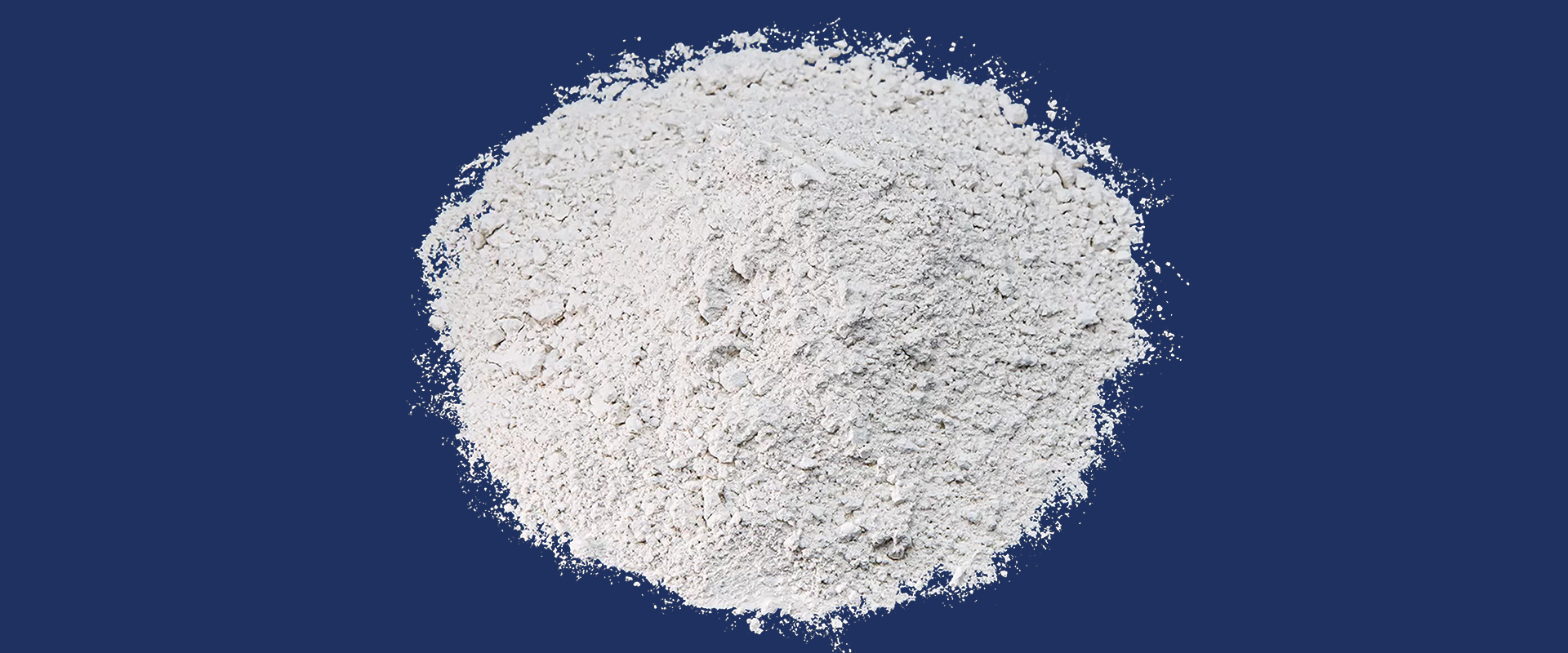
Dolomite Powder
Description
Dolomite is a naturally occurring mineral and is composed of calcium magnesium carbonate. When ground to a fine powder, it can be used in several ways. It is widely employed as a soil conditioner, in construction materials, as a filler in paints and varnishes, as a source of magnesium in magnesium salt dietary supplements, and due to the high magnesium content.
Typical Properties
Chemical Composition: Dolomite powder is primarily composed of calcium magnesium carbonate (CaMg(CO3)2).
Hardness: It has a Mohs hardness of 3.5 to 4, making it harder than limestone (calcite).
Reactivity with Acids: Dolomite reacts weakly or not at all with cold, dilute hydrochloric acid. However, it will fizz if the acid is warm or if the dolomite is powdered.
Color: It is commonly found in white, gray, pinkish, or tan colors.
Luster: Dolomite powder typically has a pearly to vitreous (glassy) luster.
Density: The density of dolomite powder generally ranges from 2.8 to 2.9 g/cm³.
Other Properties: It’s also known for being weather, moisture, and acid-resistant, and it is a free-flowing powder that disperses quickly.
Chemical Composition of Calcite
CaCO3 (Calcium Carbonate): 51-56%
MgCO3 (Magnesium Carbonate): 42-45%
SiO2 (Silica): 0.5-2.5% (trace amounts)
Fe2O3 (Iron Oxide): <1% (trace amounts)
Other Mix Oxides: 1-3%
Applications
Sheet / Float Glass Industries
Glassware Industries
Picture Tube Industries
Ceramic Floor & Wall Tile Industries
Sanitary ware Industries
Insulator Industries
Ceramic Frit Industries
Stoneware / Art ware / Tableware Manufacturers
Cement Industries
Paint Industries,inks and powder coating
leather cloth industry
Rubber Industries
Sponge Iron Industries
Pipe Coating Industries
Foundries
Detergent Applications