
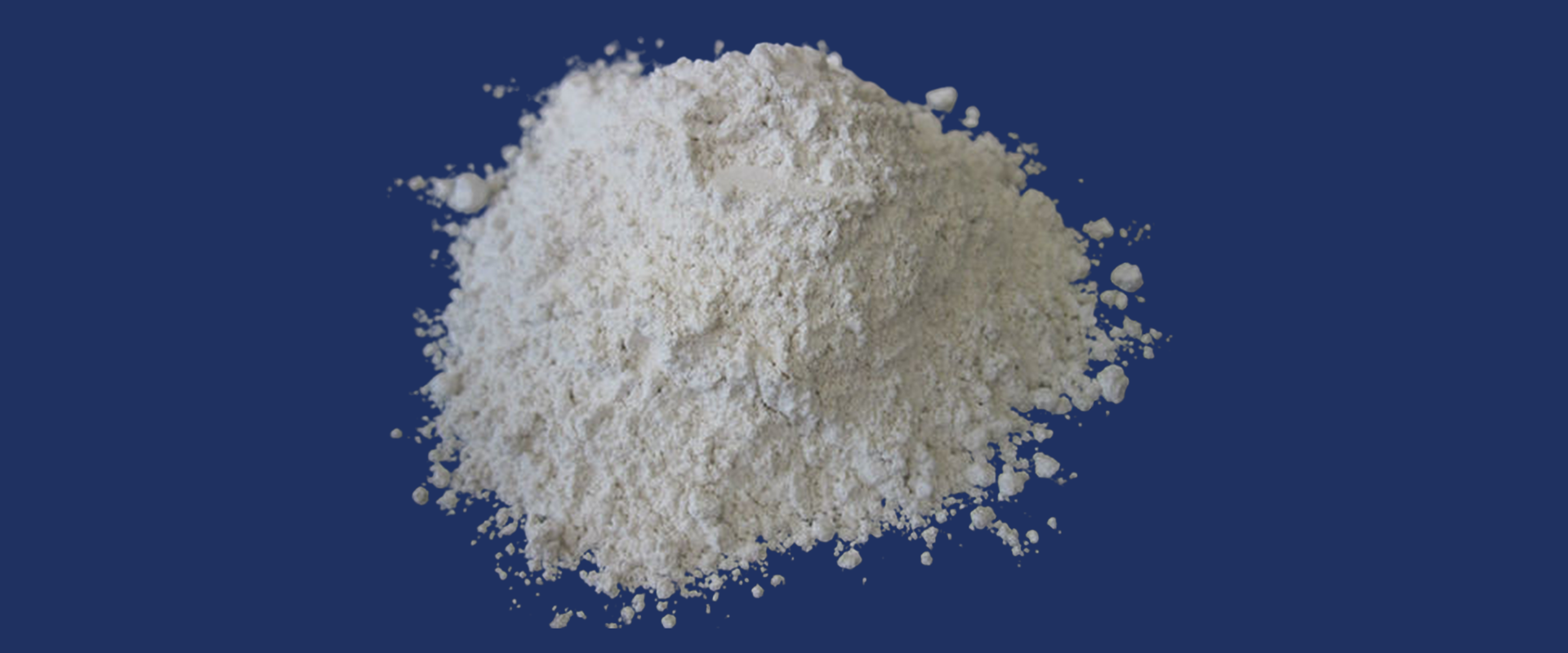
Quick Lime
Description
Quicklime, also known as calcium oxide (CaO), is a white, caustic, alkaline substance produced by heating limestone (calcium carbonate) at high temperatures. This process, called calcination, drives off carbon dioxide, leaving behind quicklime. It’s a crucial industrial chemical with applications in construction, environmental protection, and agriculture
Typical Properties
Chemical composition: Quick lime’s chemical name is calcium oxide.
Chemical formula: Quick lime formula is CaO
Physical appearance: White or gray powder, with a granular texture.
Reactivity: Highly reactive with water and forms calcium hydroxide (slaked lime) when mixed with water.
Melting point: 2572°C
Boiling point: 2850°C
Density: 3.34 g/cm³
Solubility: Insoluble in water, but reacts readily with water to form calcium hydroxide.
PH: Basic, with a pH of 12.4 in a 10% solution.
Heat capacity: High heat capacity, with a specific heat of 0.21 J/g°C.
Chemical Composition of Calcite
What is Calcium Oxide (CaO)? Calcium oxide, commonly known as lime, is a chemical compound with the formula CaO. Calcium oxide, also known as quicklime, is an alkaline substance that has been in use since the medieval age. It is believed that quicklime is one of the oldest chemicals known to the human race.
Applications
Water Treatment:
Quicklime is used to adjust pH levels, remove impurities, and precipitate contaminants in both drinking water and wastewater treatment.
Soil Treatment:
It can be used to neutralize acidic soils in agriculture, making them more suitable for plant growth.
Air Pollution Control:
In some industrial processes, quicklime is used to remove sulfur dioxide (SO2) from flue gases, reducing air pollution.