
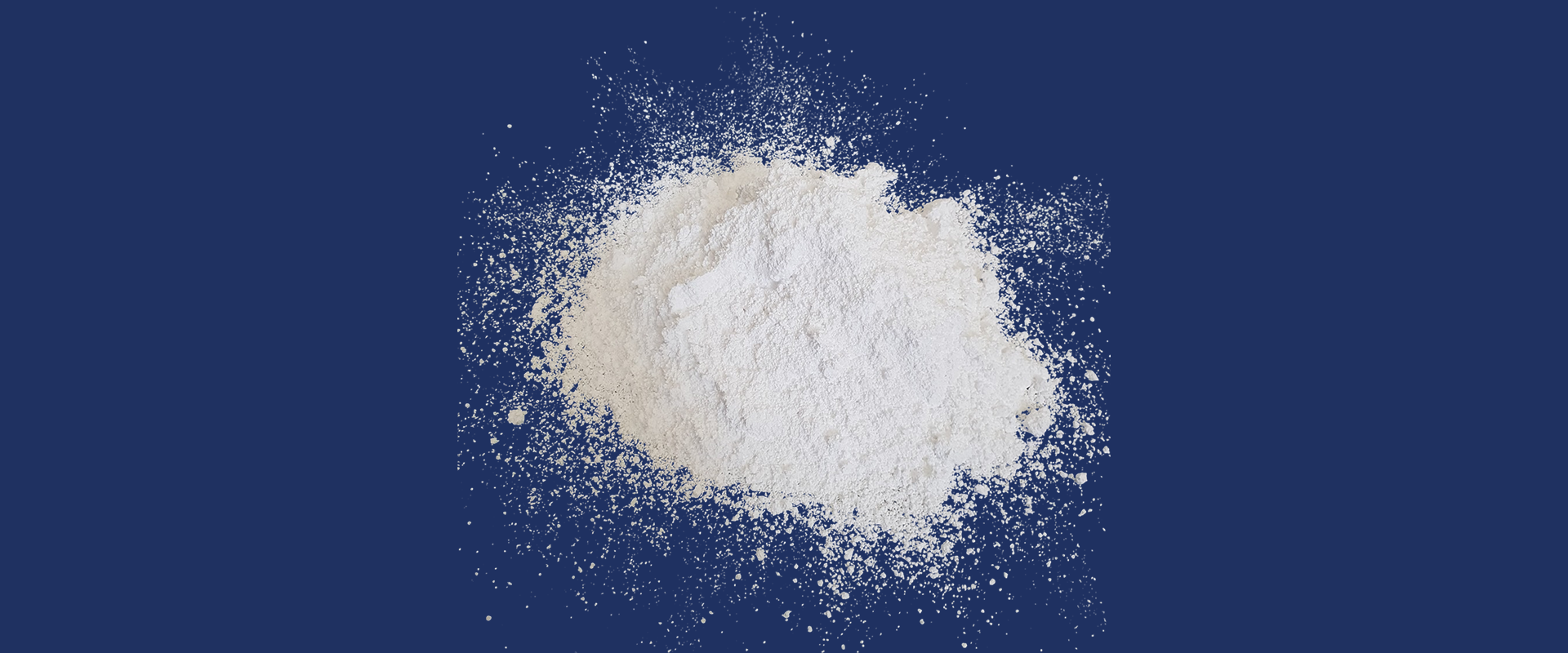
Hydrated Lime Powder
Description
Hydrated Lime, also known as calcium hydroxide and traditionally called slaked lime is an inorganic compound. Its molecular formula is Ca(OH)2 and its CAS is 1305-62-0. Unprotected exposure to pure concentrations of hydrated lime can cause severe chemical burns. Diluted solutions such as limewater (calcium dihydroxide slaked with water) are used in food preparation. The colorless, odorless, non-flammable white powder is commonly used as a flocculant in water and sewage treatment as well as many other commercial applications.
Typical Properties
Appearance: White
Chemical Formula: Ca(OH)2
Melting Point: Decomposes at 580°C (1,076°F) before melting
Boiling Point: Not applicable (decomposes before boiling)
Density: 2.2 g/cm³
Solubility: Slightly soluble in water, forming a strongly alkaline solution: 1.75 g Ca(OH)2 /L
pH: pH of around 12.5 at 25°C (77°F) (highly alkaline)
Chemical Composition of Calcite
Dolomitic hydrated lime (normal) – under atmospheric hydrating conditions only the calcium oxide fraction of dolomitic quicklime hydrates, producing a hydrated lime of the following chemical composition: 46 to 48 percent calcium oxide, 33 to 34 percent magnesium oxide, and 15 to 17 percent chemically combined water
Applications
Construction: Frequently combined with sand and cement to produce mortars and plasters.
Agriculture: Serves as a soil conditioner to neutralize acidic soils.
Water Treatment: Utilized to adjust pH levels and eliminate impurities from water.
Industrial Processes: Plays a role in the production of various chemicals and the treatment of wastewater, or when calcium is needed.