
Precipitated Calcium Carbonate
Description
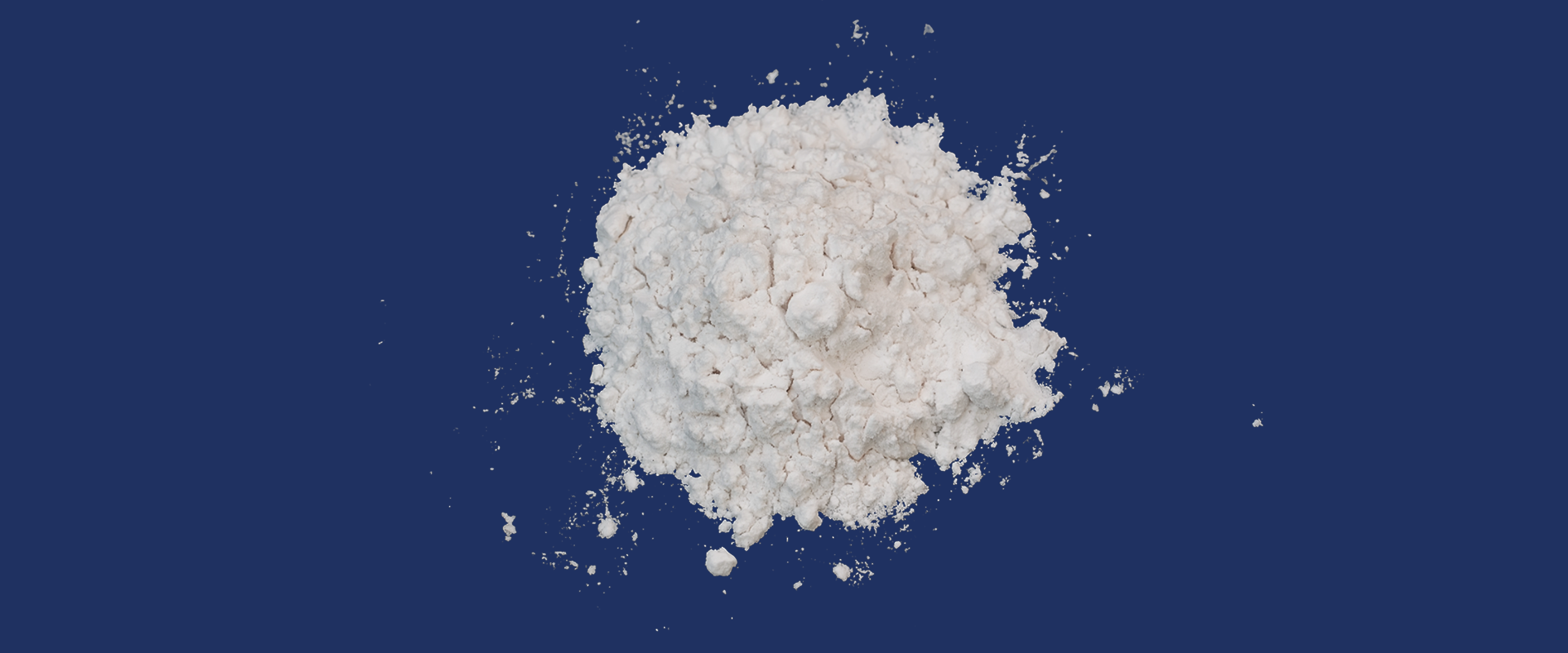
Precipitated Calcium Carbonate (PCC) is a synthetic form of calcium carbonate (CaCO3) produced through a controlled chemical process, resulting in a fine, white powder with high purity. Unlike ground calcium carbonate (GCC) which is derived from natural sources like limestone, PCC is created by reacting calcium hydroxide with carbon dioxide. This process allows for precise control over particle size, shape, and surface area, leading to specific properties beneficial for various applications.
Typical Properties
High Purity:
PCC is produced synthetically and is typically 98% or more pure CaCO3.
Controlled Particle Size and Shape:
Unlike naturally occurring calcium carbonate, PCC has a uniform and small particle size, which can be precisely controlled during production.
Brilliant White Color:
PCC is known for its bright white color, making it suitable for use as a pigment or filler in various applications.
Various Crystal Structures:
PCC can be produced in different crystal forms (calcite, aragonite, and vaterite), each with slightly different properties.
Low Oil Absorption:
PCC generally has a low oil absorption capacity, which is advantageous in certain applications.
pH:
A 10% slurry of PCC typically has a pH between 8.5 and 9.0, according to Welcome Chemicals.
Chemical Composition of Calcite
Formula: CaCO3
Elements: Calcium (Ca), Carbon (C), and Oxygen (O)
Structure: While the chemical formula is the same, PCC can have different crystal structures compared to other forms of calcium carbonate, like calcite (rhombohedral, scalenohedral, or prismatic).
Purity: PCC is typically produced with a high degree of purity (around 98% as CaCO3), according to Whitegold Minerals.
Impurities: May contain trace amounts of other elements depending on the source material and manufacturing process.
Applications
Paper Industry: Used as a filler and coating agent to improve paper brightness, opacity, and printability.
Plastics Industry: Added as a filler to enhance mechanical properties, dimensional stability, and reduce costs.
Paints and Coatings: Used as an extender pigment to improve opacity, brightness, and rheological properties.
Rubber Industry: Reinforces rubber and improves its mechanical properties.
Pharmaceuticals: Used as a calcium supplement and as an excipient in tablets and capsules.
Food Industry: Used as a food additive (E number E170) for various purposes like acidity regulation and calcium supplementation.
Construction Materials: Used in cement production to reduce energy consumption and carbon emissions