Feldspar Powder
Description
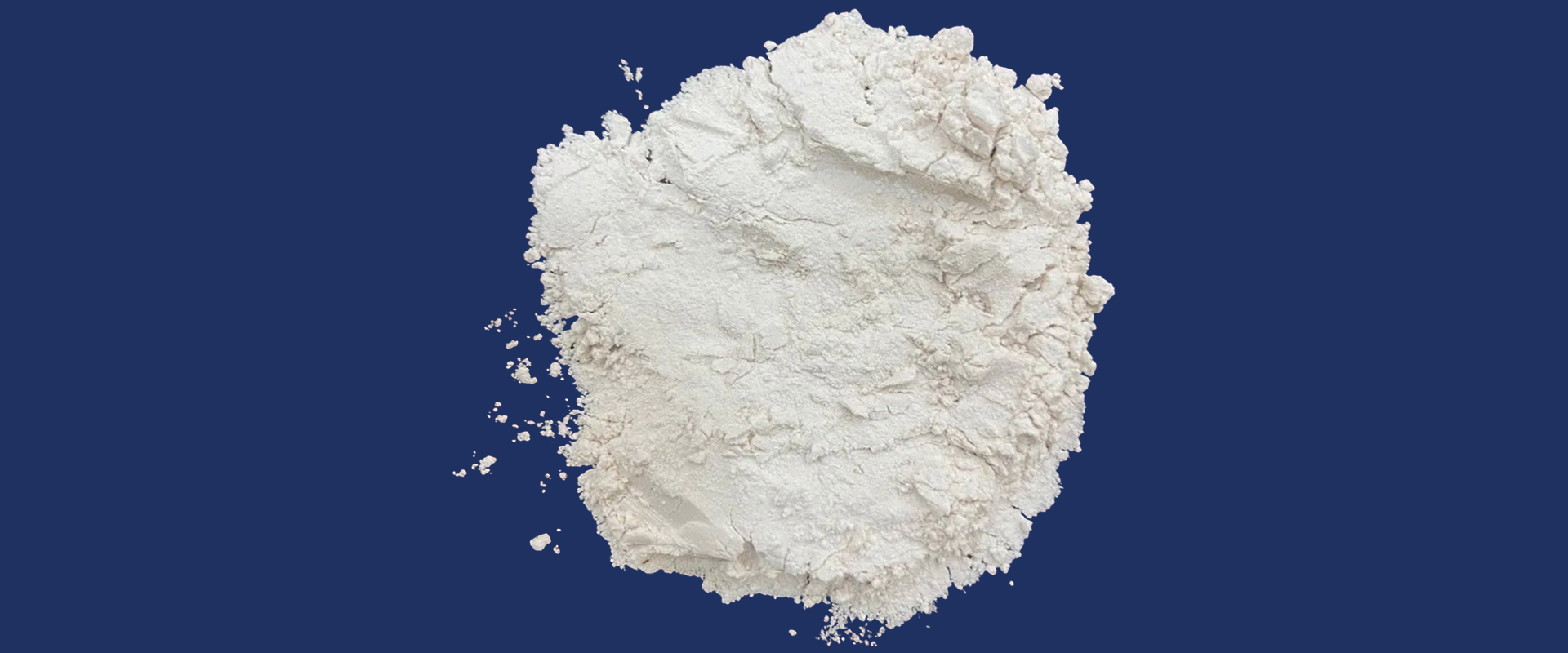
The Feldspar Powder and Lumps are acquired from our standard quarries for production to meet the highest quality standards. These products are further treated in a way that does not alter their inherent characteristics and textures to suit different uses. Many industries trust our qualified feldspar, which we offer in powdered and lump form.
Typical Properties
Although there are many feldspar minerals, they all share a tight range of physical properties that are surprisingly consistent. Most of them exhibit two directions of perfect cleavage that intersect at or close to ninety degrees. An example of this type of cleavage can be seen in the accompanying photo.
Most feldspar minerals have a Mohs hardness of approximately 6 to 6.5 and a specific gravity between 2.5 and 2.8. They all have a vitreous luster that is often pearly on cleavage faces. The accompanying table shows the generalized physical properties of the feldspar mineral group.
These consistent properties of feldspar are extremely useful even when the feldspar crystals are very small. People who are familiar with feldspar cleavage can pick up an igneous rock that contains crystals of just a few millimeters in size, examine it with a hand lens, and easily differentiate the feldspars from other minerals in the rock. With minimal practice they can also use a set of mineral hardness picks and a hand lens to determine the Mohs hardness of such tiny grains.
Chemical Composition of Calcite
Feldspar’s chemical composition can be generalized by the formula A T₄O₈, where A represents potassium, sodium, or calcium, and T represents silicon and aluminum. Specifically, the three end-members are: K-feldspar (KAlSi₃O₈), albite (NaAlSi₃O₈), and anorthite (CaAl₂Si₂O₈). Feldspars are classified based on the proportions of these end-members present, with alkali feldspars (like sanidine and perthite) falling between K-feldspar and albite, and plagioclase feldspars falling between albite and anorthite.
Applications
Feldspar, a group of rock-forming minerals, has diverse chemical applications due to its unique properties like fluxing ability, hardness, and chemical inertness. It’s widely used in ceramics, glass, and as a filler in paints, plastics, and rubber. Additionally, it plays a role in welding electrodes, abrasives, and even toothpaste.