Silica Powder
Description
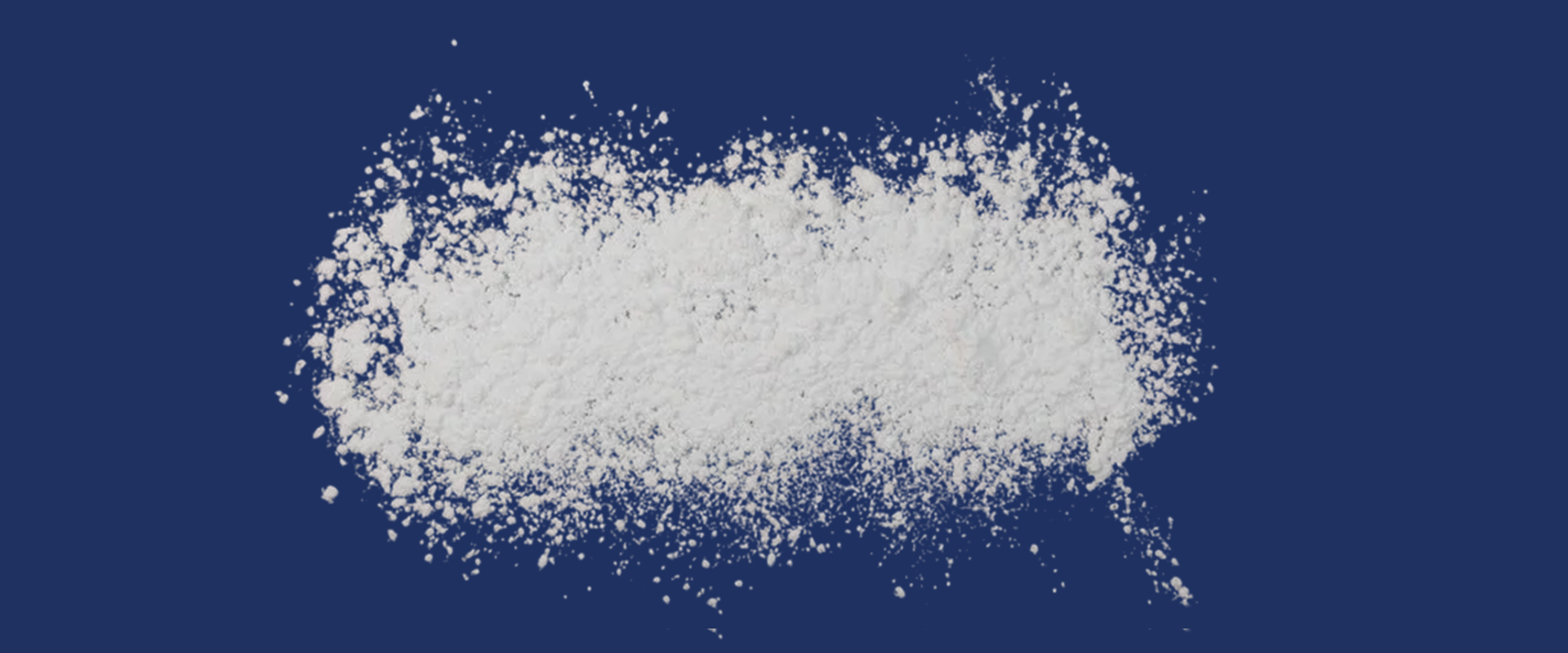
Silica powder, also known as silicon dioxide (SiO2), is a fine, white powder made by grinding silicate minerals like quartz. It is a versatile material with numerous applications due to its unique properties, including high purity, hardness, and heat resistance. It is naturally present in materials like sand and quartz.
Typical Properties
Micro Silica, known as Silica Powder, also known as silica flour, is a by-product of silicon metal or silicon iron in arc furnaces, which is obtained from smoke rising through the furnace chimneys through condensation, collected from flue gases from arc furnaces. It is a severe reactive powder and very important for the concrete industry.
Silicon dioxide accounts for about 90% of the composition of silica powder, and its molecules are spherical and super-smooth, so that they are about 100 times softer than cement. Part of the cement material used in the concrete mixture can be replaced by silica powder at 7-15% of its weight.
Silica powder is a very soft material, consisting of amorphous silica produced as a secondary product of silicon or viral silicon alloys.
Chemical Composition of Calcite
Existing form: amorphous ultra-fine (amorphous) powder
◇ Typical color: gray (the natural state is grayish white, and the color gradually deepens with the increase of density)
◇ Specific surface area: 15~28 m2/g
◇ Loose bulk density: 200~350 kg/m3
◇ Activity index: ≥ 85%
◇ Water demand ratio: ≤ 125%
The main chemical component of micro silica powder is SiO2, with content of 85~97%. Its elements include Fe2O3, Al2O3, CaO, K2O, Na2O, MgO, C, etc.
Applications
Silica powder, primarily silicon dioxide, is a versatile material with numerous applications across various industries due to its strength, heat resistance, and inertness. It’s used in construction, electronics, pharmaceuticals, and even food production.